Why Does My Dog Stare at Me? 7 Common Reasons and What to Do
If you have ever looked up from your laptop and found your dog silently staring at you, you are not alone. Staring can mean “I love you,” “Is it dinner yet?”, “Please move away from my chew,” or “I do not feel right.” The trick is not to read the eyes in isolation. Read the eyes, body, situation, and pattern together.
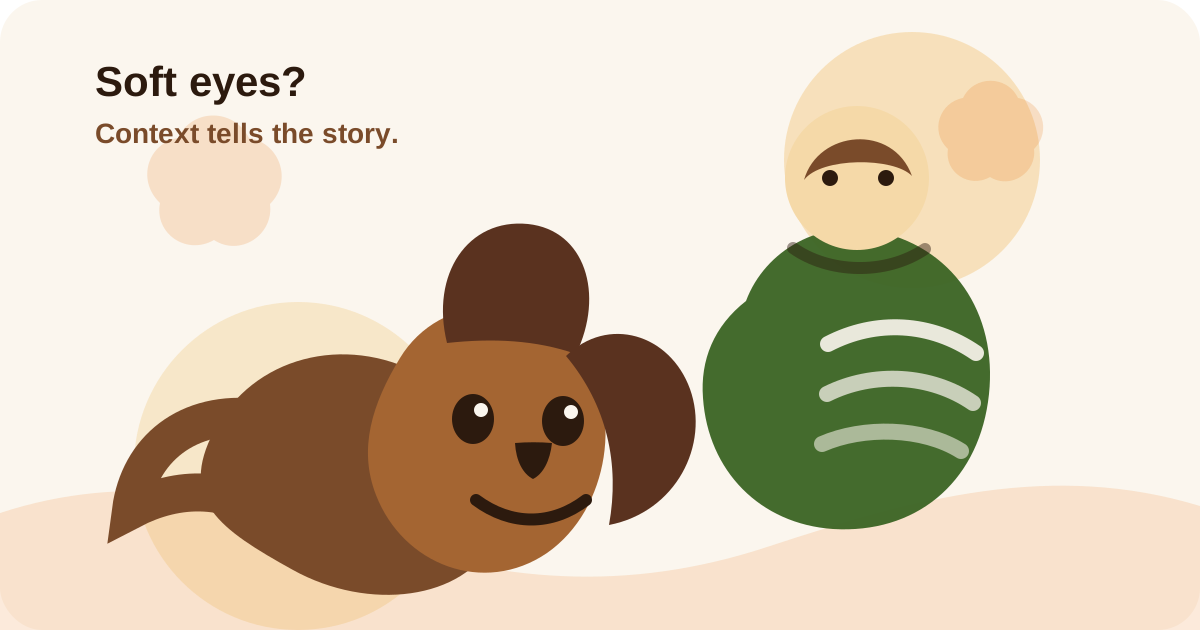
First, read the whole dog
A stare is only one word in your dog's sentence. A loose, wiggly dog with soft eyes is saying something very different from a stiff dog with a closed mouth, frozen posture, and visible whites of the eyes. Before deciding what the stare means, ask three quick questions: What happened right before it? What is your dog's body doing? Does this happen in a predictable pattern?
Context matters because dogs are excellent observers. They notice whether you picked up the leash, opened the treat cabinet, shifted toward the front door, or reached toward their bed. Many dogs stare because they are trying to understand what you will do next.
1. Your dog is bonding with you
The sweetest version of staring looks soft. Your dog may rest near you, blink slowly, breathe normally, and keep their body loose. The stare may last a few seconds, then drift away without tension. This kind of eye contact often shows comfort and social connection, especially when your dog chooses it during calm moments instead of during conflict over food, toys, or space.
How to respond: keep it gentle. You can speak softly, blink, invite your dog closer, or offer calm petting if they lean in. Do not hold a hard stare back at a dog who looks unsure. With dogs, relaxed eye contact builds trust; intense staring can feel confrontational.
2. Your dog wants attention or a cue
Dogs learn what works. If staring at you makes you talk, laugh, feed them, open the door, or toss a toy, the stare becomes a useful request. This stare often appears when you are distracted and your dog wants to restart the conversation: at your desk, during dinner, when a ball rolls under the couch, or when they need a potty break.
How to tell: look for a relaxed but persistent dog who glances between you and the thing they want. They may add a paw lift, whine, nose nudge, sit by the door, or bring you a toy. If the request is reasonable, answer it. If the stare is becoming pushy, reward a polite alternative instead, like lying on a mat or sitting quietly.
3. Your dog is reading your body language
Humans talk constantly with hands, feet, shoulders, and routines. Your dog watches these signals because your movements predict their world. A shift toward the kitchen may mean food. Shoes may mean a walk. A deep sigh and a blanket may mean the evening is settling down.
This kind of staring is often neutral and attentive. Your dog is not demanding; they are gathering information. You can make life easier by pairing routines with clear cues: say “all done” when training is over, “bed” when you want settling, or “wait” before opening a door. Clear cues reduce guessing, which can reduce staring that comes from uncertainty.
4. Your dog is anticipating something exciting
Some stares are pure anticipation. Your dog knows the dinner bowl comes out at 6 p.m., the leash means adventure, and the sound of a drawer may mean treats. Their eyes lock onto you because you are the person who makes the next good thing happen.
How to tell: the body is usually alert but happy. You may see a loose wag, bright face, open mouth, quick glances toward the exciting object, or little start-stop movements. If the anticipation becomes frantic, slow the routine down. Ask for one simple behavior, reward it, then continue. The goal is not to punish excitement; it is to help your dog stay thinking while excited.
5. Your dog may be guarding food, toys, space, or a person
A guarding stare feels different. It is often still, hard, and focused. The dog may hover over a chew, freeze when you approach, keep their mouth closed, lower their head, show whale eye, growl, or move their body between you and a valued item or person. This is a request for distance, not a challenge to “win.”
How to respond: do not stare back, grab the item, punish the growl, or force contact. Calmly create space and trade for something better if you can do so safely. If guarding is repeated, intense, or involves children, bring in a qualified positive-reinforcement trainer or a veterinary behavior professional. The safest plan changes the dog's emotional response instead of escalating the conflict.
6. Your dog is uncomfortable, anxious, or in pain
A dog who stares while panting, trembling, licking lips, pacing, hiding, holding the body stiffly, or avoiding touch may be telling you something feels wrong. Sometimes the trigger is emotional, like a loud noise, stranger, child, camera, or grooming tool. Sometimes the trigger is physical, like nausea, soreness, vision changes, or pain.
How to tell: compare the stare to your dog's normal pattern. A sudden new stare, a stare paired with behavior changes, or a stare that appears when you touch a certain area deserves attention. Give your dog a break from the situation, note what else you see, and call your veterinarian if the behavior is new, repeated, or paired with appetite, mobility, bathroom, sleep, or mood changes.
7. Senior dogs may stare because of cognitive dysfunction
In older dogs, staring can sometimes be part of canine cognitive dysfunction, often described as dog dementia. This does not usually look like normal eye contact. A senior dog may stare at walls, corners, or empty space; seem disoriented; get stuck behind furniture; pace at night; forget routines; have accidents indoors; or seem more anxious than usual.
How to respond: schedule a veterinary visit rather than assuming it is just aging. A vet can check for pain, vision or hearing loss, urinary issues, neurological changes, and cognitive decline. Early support can make home safer and more predictable, even when the underlying aging process cannot be fully reversed.
Quick decision guide: what kind of stare is it?
| Stare type | Other clues | Likely meaning |
|---|---|---|
| Soft, relaxed stare | Loose body, blinking, gentle tail, easy breathing | Bonding, checking in, or waiting for a cue |
| Laser-focused stare | Pointed at food, leash, door, toy, or your hands | Anticipation or a learned request |
| Hard stare | Still body, closed mouth, whale eye, growl, leaning over an item | Guarding, tension, or a need for more distance |
| Blank or confused stare | Senior dog, pacing at night, getting stuck, staring at walls | Possible cognitive dysfunction or medical change |
What should you do when your dog stares?
Start with the least dramatic explanation, then check for red flags. If your dog is loose and happy, enjoy the connection or give a clear cue. If they are asking for something, decide whether to meet the need or teach a calmer request. If the body is stiff, the stare is hard, or the situation involves a valued resource, back off and make the setup safer. If the staring is new, odd, or paired with health changes, involve your veterinarian.
Want a second read on the whole-body picture? Try Pawlingo's free Decode My Dog quiz and compare the eyes with tail, ears, mouth, posture, and context. The more signals you read together, the less mysterious the stare becomes.