Why Does My Dog Lick Me So Much? 9 Common Reasons and What to Do
Dog licking can be sweet, funny, annoying, or suddenly worrying. The same behavior can mean “hello,” “pay attention to me,” “that tastes interesting,” “I am stressed,” or “something on my skin hurts.” To understand it, read the lick with the rest of your dog’s body and the moment it happens.
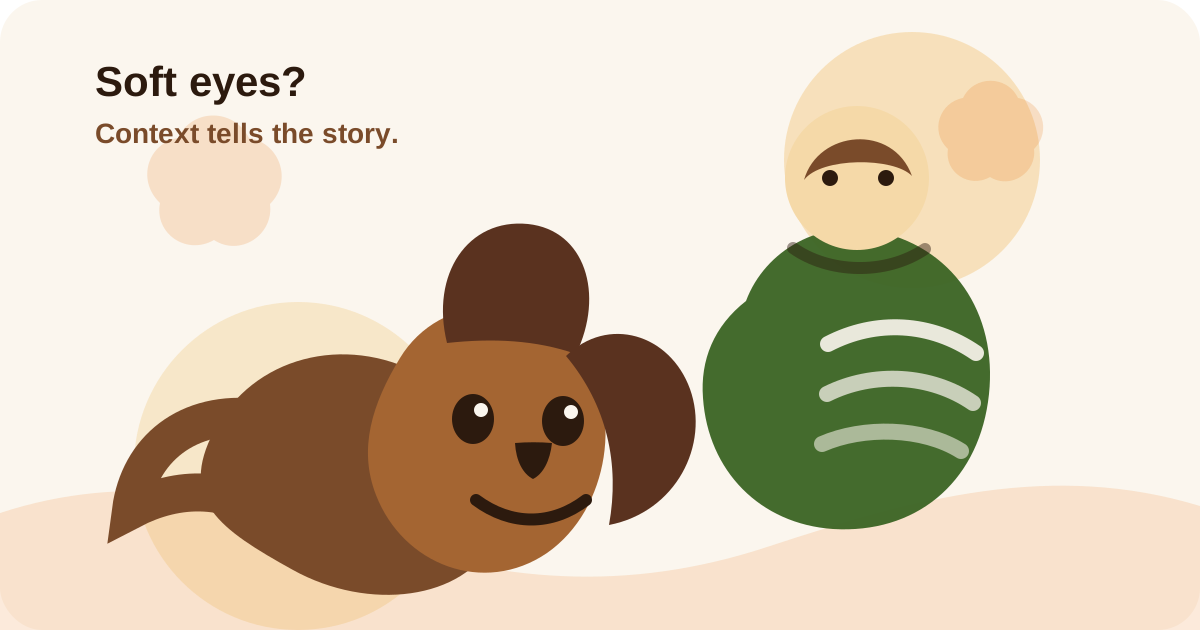
First, separate normal licking from a pattern change
Most dogs lick sometimes. They lick to investigate taste and scent, groom themselves, greet familiar people, ask for interaction, and soothe themselves when a situation feels intense. The question is not “Is licking good or bad?” The better question is: is this lick brief, relaxed, and easy to redirect, or is it sudden, frantic, repetitive, or attached to a specific body part?
A relaxed dog who gives a few face or hand licks after you come home is very different from a dog who cannot stop licking paws, fabric, floors, or the air. Track when it starts, what happens right before, and what changes after you respond.
1. Your dog is greeting or bonding with you
Social licking is common in dogs. Puppies lick around adult dogs’ mouths, dogs groom trusted companions, and many dogs transfer that soft social behavior to people. If your dog has loose muscles, squinty eyes, a soft wag, and chooses to be near you, licking is often part of friendly contact.
How to respond: keep greetings calm. If you like the affection, enjoy it briefly and then cue a sit, hand target, or settle. If you do not want face licking, turn your cheek away and reward four paws on the floor. You are not rejecting the dog; you are teaching a cleaner way to say hello.
2. Your dog has learned that licking works
Dogs repeat behaviors that get results. If licking makes you laugh, talk, move, pet, feed, or look away from your screen, licking becomes a reliable button. This is especially common at desks, on couches, in bed, and near mealtimes.
If the request is reasonable, answer it before the licking escalates: potty break, water, walk, or a short play session. If the licking is just pestering, teach an alternative. Reward your dog for resting on a mat, bringing a toy, or nudging your hand once instead of licking nonstop.
3. Your skin tastes interesting
Sweat, lotion, food residue, salty hands, and even the smell of another pet can make human skin fascinating. This version is usually casual and targeted: your dog sniffs, licks one area, then moves on. It may happen after exercise, cooking, applying moisturizer, or handling treats.
The fix is simple: wash your hands, redirect to a chew, and avoid rewarding licking by turning it into a game every time. If your dog is licking a topical medication, cleaning product, or sunscreen, block access and ask your veterinarian whether exposure is a concern.
4. Licking can be a stress or appeasement signal
Quick tongue flicks, lip licks, and repeated licking during handling can mean your dog is trying to calm the situation down. You may see it during hugs, nail trims, vet visits, photos, introductions, or moments when a child leans over the dog. Look for paired clues: yawning, turning the head away, whale eye, pinned ears, tucked tail, freezing, or trying to leave.
Do not punish these signals. They are early communication. Create space, reduce pressure, and make the next repetition easier. If you often see licking with yawns, compare it with our guide to why dogs yawn.
5. Repetitive licking can point to itch, pain, or nausea
Licking the same paw, joint, flank, or hot spot over and over deserves a closer look. Skin allergies, burrs, sore nails, ear discomfort, dental pain, arthritis, stomach upset, or a wound can all drive licking. Dogs do not always limp or cry when something hurts; sometimes the clue is a wet, stained, or irritated patch of fur.
Call your veterinarian if licking is sudden, intense, hard to interrupt, focused on one body area, paired with vomiting or appetite changes, or causing redness, hair loss, swelling, odor, or sores. Behavior training helps habits, but medical discomfort needs medical care.
6. Boredom and anxiety can turn licking into a loop
Some dogs lick because the motion itself becomes soothing. Under-exercised dogs, dogs left alone for long stretches, and dogs recovering from a big routine change may lick blankets, floors, paws, or people more than they used to. The behavior can become self-reinforcing: licking lowers arousal for a moment, so the dog repeats it again.
Build a daily plan with sniff walks, food puzzles, decompression time, predictable rest, and short training games. If licking rises when you leave, also read our guide on why dogs follow people everywhere because clinginess and separation distress can overlap.
Quick guide: what kind of licking is it?
| Licking type | Other clues | Likely meaning |
|---|---|---|
| Soft licking | Loose body, relaxed eyes, leaning in, easy breathing | Affection, greeting, or social bonding |
| Persistent licking | Pawing, whining, staring at you, repeating after you react | Attention-seeking or a learned request |
| Fast stress licks | Lip licks, yawns, tucked tail, turning away, pinned ears | Uncertainty, pressure, or a need for space |
| Compulsive licking | Hard to interrupt, licking skin, paws, floors, or one spot | Possible itch, pain, nausea, anxiety, or habit loop |
How to reduce licking without confusing your dog
First, decide what the licking is trying to solve. If it is affection, redirect politely. If it is a request, teach a better request. If it is stress, give space and change the setup. If it is body-focused or new, check with your vet before assuming it is “just behavior.”
The goal is not to stop communication; it is to understand it sooner. A dog who feels heard has less reason to repeat the same signal louder and louder.